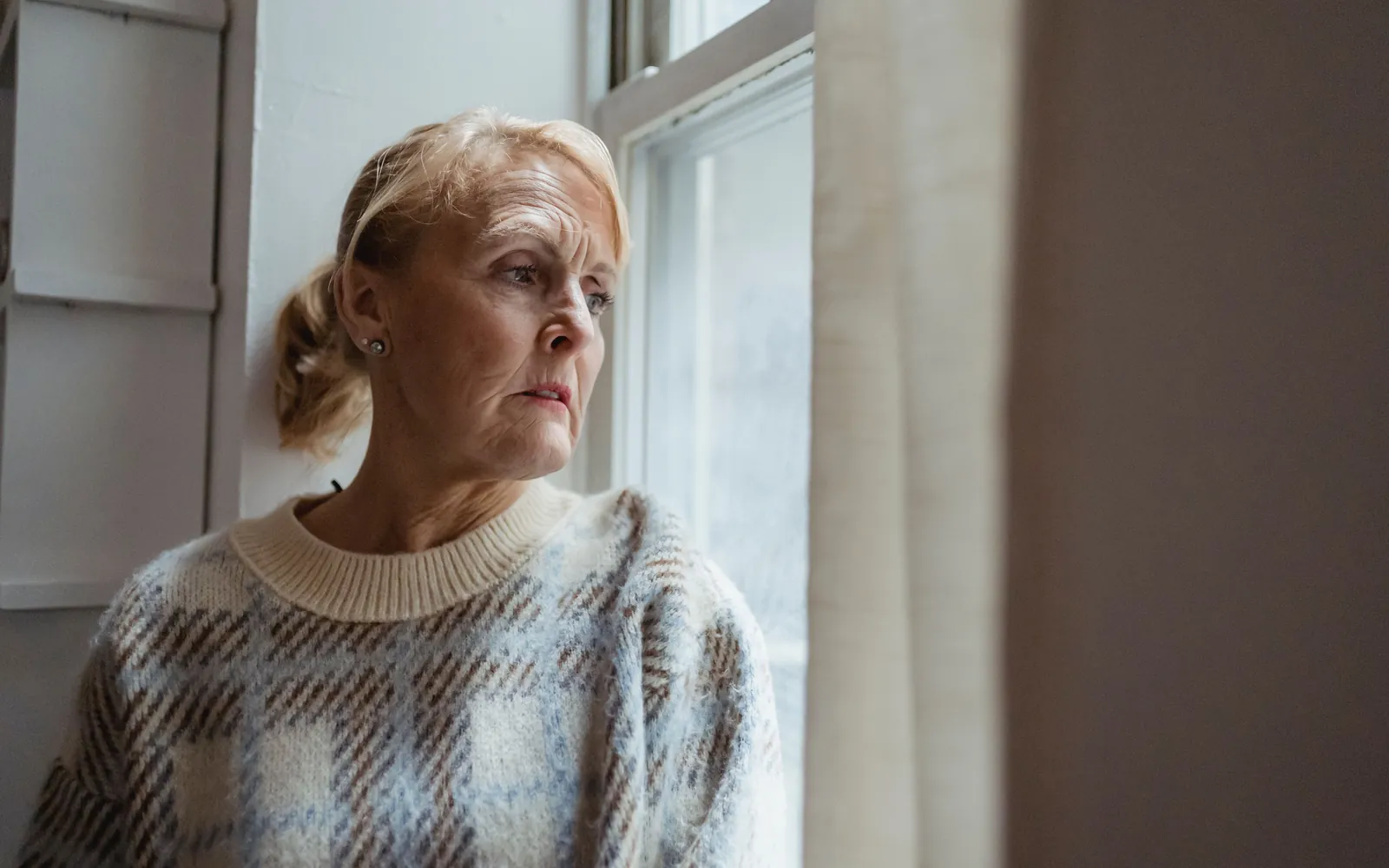
Most women expect menopause to arrive with some fanfare in their early fifties. Far fewer recognise that the transition often begins much earlier—sometimes in the late thirties, more commonly in the mid-forties—with symptoms that can be baffling, disruptive and easily mistaken for something else entirely.
Key Points
- Perimenopause typically begins in the mid-40s but can start earlier
- Symptoms include irregular periods, hot flushes, sleep disturbance, mood changes and brain fog
- Not all women experience every symptom; the pattern varies considerably
- Blood tests are rarely helpful; diagnosis is usually clinical
- Evidence-based treatment options exist and can significantly improve quality of life
What Perimenopause Actually Is
Perimenopause is the transitional phase leading up to menopause—the point at which your periods stop permanently. It is not a brief event. For most women it lasts between four and eight years, though some sail through in less than a year whilst others find themselves in transition for over a decade.
During perimenopause, your ovaries gradually produce less oestrogen. But the decline is not smooth. Hormone levels fluctuate—sometimes wildly—which is why symptoms can be unpredictable and why you might feel dreadful one week and entirely yourself the next.
You are considered to have reached menopause once you have gone twelve consecutive months without a period. Everything before that point—the irregular cycles, the symptoms, the hormonal swings—is perimenopause.
Common Symptoms of Perimenopause
The symptom list is long, and no woman experiences all of them. Some have three or four predominant complaints; others tick almost every box. What follows are the symptoms I encounter most frequently in clinical practice.
Irregular Periods
This is often the first sign. Your previously predictable cycle becomes erratic. Periods may arrive earlier or later than expected. They might be heavier or lighter. You may skip a month—or two, or three—and then have a normal period return. Some women experience flooding, passing clots, or bleeding that continues for weeks.
If bleeding becomes very heavy, prolonged, or you are soaking through protection hourly, that warrants assessment. Similarly, if you have bleeding after twelve months without a period, that needs investigating promptly.
Vasomotor Symptoms: Hot Flushes and Night Sweats
Around three-quarters of perimenopausal women experience hot flushes. They vary in intensity from a mild warmth to an overwhelming wave of heat, often accompanied by visible flushing, palpitations and drenching sweats. Night sweats can be severe enough to require changing nightclothes or bedding.
These symptoms are caused by oestrogen withdrawal affecting the hypothalamus—the brain's thermostat. For some women they are infrequent and manageable. For others they occur multiple times daily and significantly disrupt sleep, work and confidence.
Sleep Disturbance
Poor sleep in perimenopause has multiple causes. Night sweats wake you. Anxiety keeps you awake. Falling oestrogen levels affect sleep architecture directly. Many women describe difficulty falling asleep, waking in the early hours with racing thoughts, or simply not feeling rested despite adequate hours in bed.
Chronic sleep deprivation compounds other perimenopausal symptoms—particularly mood changes, cognitive difficulties and fatigue—and becomes a vicious cycle that is hard to break without addressing the underlying hormonal change.
Mood Changes and Anxiety
Oestrogen has profound effects on neurotransmitter systems, particularly serotonin. Fluctuating oestrogen levels can cause mood instability, irritability, low mood and anxiety that feels disproportionate to life circumstances.
Some women describe a flatness or loss of joy. Others experience surges of rage or tearfulness over minor triggers. These are not personality flaws or signs of weakness. They are biochemical responses to changing hormone levels, and they often improve significantly with appropriate treatment.
Cognitive Symptoms
Brain fog, difficulty concentrating, word-finding problems and memory lapses are commonly reported. You may walk into a room and forget why. You may struggle to focus in meetings or lose your train of thought mid-sentence.
These symptoms are distressing, particularly for women in demanding professional roles. They are also underrecognised. Many women fear they are developing early dementia when in fact they are experiencing the cognitive effects of oestrogen withdrawal.
Physical Symptoms
Joint pain and muscle aches are surprisingly common in perimenopause. Oestrogen receptors exist throughout connective tissue, and reduced oestrogen affects joint health and pain perception.
Other physical changes include vaginal dryness, reduced libido, urinary frequency, headaches, palpitations, skin changes and hair thinning. Some women notice weight gain—particularly around the abdomen—despite no change in diet or activity.
When Symptoms Start and How Long They Last
Most women enter perimenopause in their mid-forties. If symptoms begin before forty, that is considered early perimenopause and warrants assessment. If your periods stop before forty-five, that is premature menopause, which has different health implications and requires medical assessment.
Symptoms typically peak in the year or two immediately before your final period and the first year after. For many women they then gradually settle. However, some symptoms—particularly vaginal dryness and urogenital changes—do not resolve spontaneously and may worsen over time without treatment.
Why Blood Tests Are Often Unhelpful
Women frequently request blood tests to confirm perimenopause. In practice, hormone levels fluctuate so widely during perimenopause that a single blood test—or even several—rarely provides useful information.
FSH (follicle-stimulating hormone) and oestradiol levels can be normal one week and menopausal the next. A 'normal' result does not exclude perimenopause, and an elevated FSH does not confirm it.
In most cases, particularly for women over forty-five with typical symptoms, diagnosis is clinical. Blood tests may be helpful if you are under forty, if symptoms are atypical, or if there is diagnostic uncertainty. But for the majority of women presenting with classic perimenopausal symptoms in the expected age range, testing adds little.
Treatment Options That Work
Not every woman requires treatment. Mild symptoms that do not affect quality of life can reasonably be monitored. But when symptoms are disruptive—when you are not sleeping, when mood changes affect your relationships, when cognitive difficulties interfere with work—treatment can be transformative.
Hormone Replacement Therapy
For most women, body-identical hormone replacement therapy is the most effective treatment for perimenopausal symptoms. It replaces the oestrogen your ovaries are no longer producing in adequate amounts and, for women who still have a womb, includes progesterone to protect the endometrium.
Modern HRT—delivered via patch or gel—is not the same as the oral preparations used decades ago. The safety profile is well established. For the majority of women, particularly those starting HRT before sixty or within ten years of menopause, the benefits significantly outweigh any risks.
HRT improves vasomotor symptoms, sleep, mood, cognitive function, joint pain, skin quality and urogenital health. It also provides important protection for bone density and cardiovascular health in the longer term.
Non-Hormonal Options
For women who cannot or prefer not to take HRT, other evidence-based options exist. Cognitive behavioural therapy has good evidence for vasomotor symptoms and low mood. Certain antidepressants—particularly SSRIs and SNRIs—can reduce hot flushes. Vaginal oestrogen can be used safely even when systemic HRT is contraindicated.
Lifestyle measures matter too. Regular exercise, stress management, reducing caffeine and alcohol, and maintaining a healthy weight all help to some degree. But they are rarely sufficient on their own when symptoms are severe.
When to Seek Assessment
You do not need to wait until symptoms are unbearable. If your quality of life is affected—if you are not sleeping, if you are struggling at work, if your mood has changed in ways that concern you—that is reason enough to seek assessment.
Many women endure months or years of symptoms before seeking help, often because they do not recognise what is happening or because they have been told symptoms are 'just part of life'. Perimenopause is indeed a normal transition. But that does not mean severe symptoms must be tolerated when effective, safe treatment exists.
The Oxford Wellness Doctor Approach
At The Oxford Wellness Doctor, perimenopausal and menopausal women are assessed by Dr Inga Taganova—a GMC-registered GP with a background in obstetrics and gynaecology. Consultations are unhurried and confidential.
The focus is on understanding your specific symptoms, your medical history, your preferences, and your concerns. Treatment recommendations are evidence-based, individualised, and clearly explained. Follow-up is built into the process so that your treatment can be adjusted as needed.
You do not need a GP referral. You can book directly online or by phone.
Book a Perimenopause Assessment
Discuss your symptoms and treatment options with Dr Inga Taganova in a confidential consultation at Belsyre Court, Oxford.